


 03 9070 5784
 Help & Support
 Track My Order



Recently Viewed
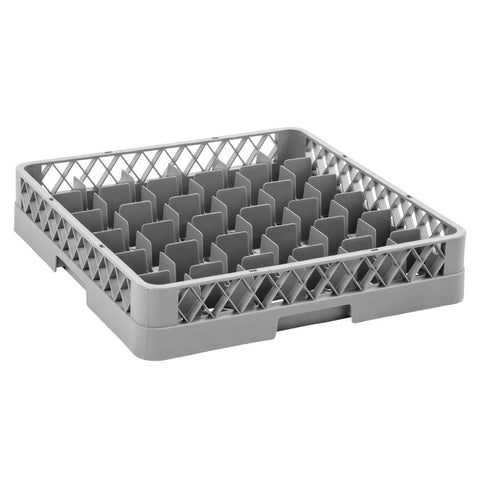

 Vogue Glass Rack 36 Compartments - F614
500(W) x 100(H) x 500(D)mm
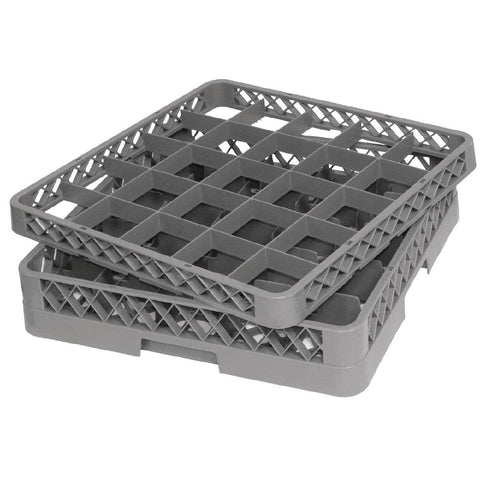
 Vogue Glass Rack Extender 25 Compartment - F617
500(W) x 45(H) x 500(D)mm
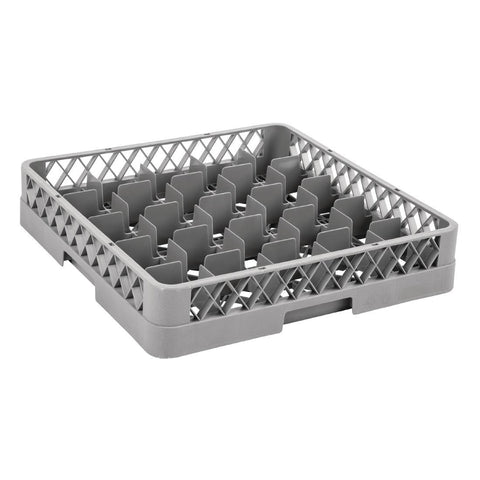
 Vogue Glass Rack 25 Compartments - F613
500(W) x 100(H) x 500(D)mm
 Vogue Glass Rack Extender - F618
500(W) x 45(H) x 500(D)mm
 Vogue Glass Rack 49 Compartments - F615
500(W) x 100(H) x 500(D)mm
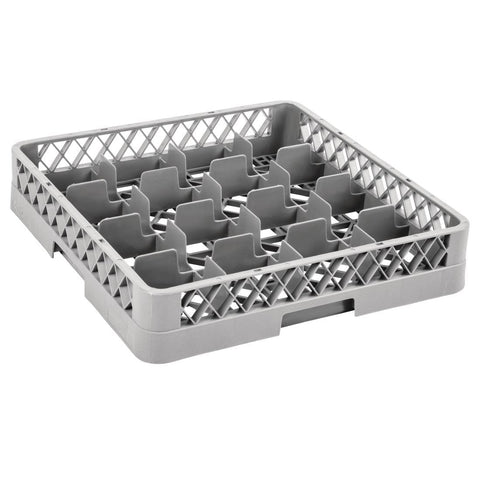
 Vogue Glass Rack 16 Compartments - F612
500(W) x 100(H) x 500(D)mm
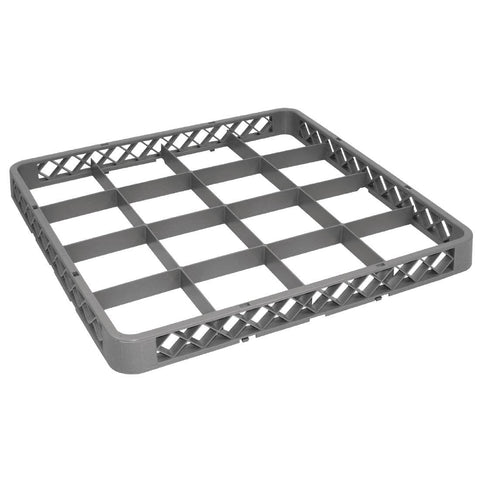
 Vogue Glass Rack Extender 16 Compartments - F616
500(W) x 45(H) x 500(D)mm


 Olympia Kristallon Cutlery Basket - P174
210(W) x 130(H) x 425(D)mm
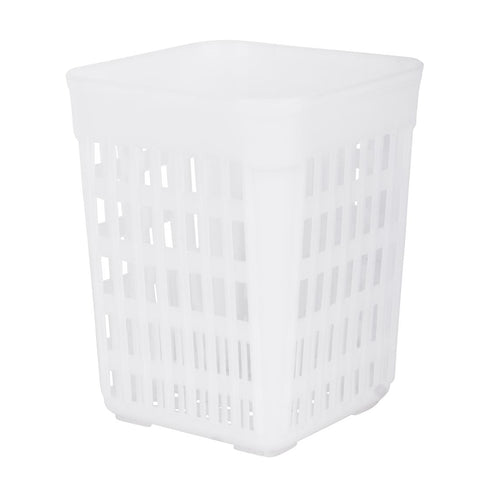
 Olympia Square Cutlery Basket - P175
110(W) x 140(H) x 110(D)mm
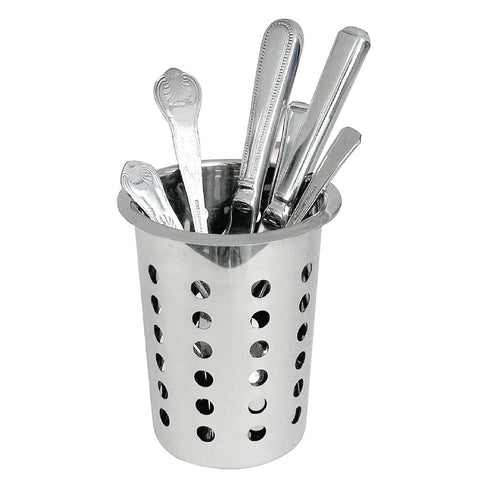
 Olympia Round Cutlery Basket - L443
113(W) x 140(H) x 112(D)mm
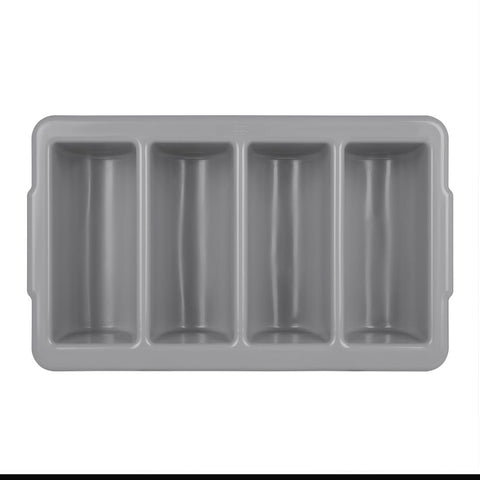
 Olympia Kristallon Cutlery Tray - J850
530(W) x 100(H) x 325(D)mm
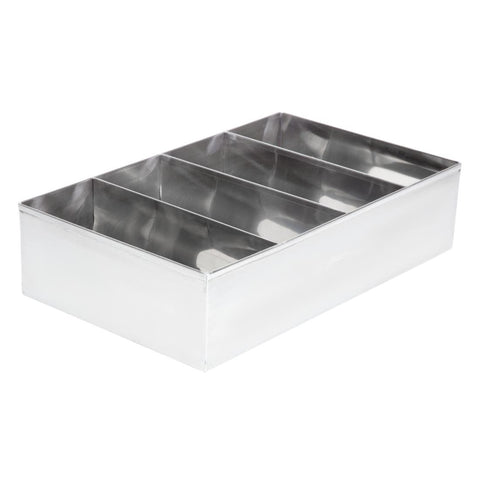
 Olympia Cutlery Holder Stainless Steel - DM274
255(W) x 415(H) x 105(D)mm


 Vogue Glass Rack Extender 49 Compartments - F619
500(W) x 45(H) x 500(D)mm
Cutlery storage keeps forks, knives and spoons sorted and facing the same way, so a server can lay a table quickly and pick every piece up by the handle. A utensil drawer organiser sorts by type and makes a short count obvious before service rather than during it.
There are three common formats. A drawer insert sits in a bench drawer. A cylinder or caddy stands on a pass or a buffet. A wall or trolley-mounted holder keeps cutlery mobile for a function. All of them beat a tub of mixed cutlery, which is where handling problems start.
Hygiene is the reason to care. Cutlery left in a tub gets grabbed by whatever end comes out first. For self-service, a cylinder or a covered insert is the standard, alongside the rest of the buffet and table service range.
Still deciding between a drawer insert and a cylinder? The price guide prices the formats next to each other.
A drawer insert suits a fixed service station with bench drawers. A cylinder suits a pass or a self-service point. A trolley or wall holder suits functions and anywhere cutlery has to move.
Most venues use a drawer insert in the dispense area and cylinders out front. A kitchen trolley with holders covers off-site work.
Handles up for anything a customer or a server will take, because that is the end they should touch. Handles down is only acceptable where staff dispense with gloved hands.
For self-service, handles up is effectively the expectation. Put a safety sign nearby if you need to make it explicit.
Stainless or food-grade plastic. 304 stainless steel is the food-safety grade used in Australian commercial kitchens and it washes and sanitises properly; timber inserts look better and need hand care.
Whatever it is, it has to be washable. Materials are listed per product and specifications explains how we present them.
Many plastic and stainless inserts can, and the listing will say. A timber insert should not go near a commercial dishwasher.
It needs to be washed on a schedule regardless of format. An insert that has never been washed holds crumb in every compartment — put it on the roster with the cleaning supplies.
Listings use a lot of names for the same thing: a utensil drawer organizer, a cutlery organizer drawer insert, a commercial cutlery holder, a flatware caddy or a cutlery cylinder.
Compare the compartment count, the footprint and whether it is washable rather than the name. Knives are a separate problem and belong in knife storage, not in a cutlery insert.
One per item type you actually lay — typically mains knife and fork, entree knife and fork, dessert spoon and fork, soup spoon, teaspoon. More compartments than types just means mixed drawers.
Count the commercial spoons and forks on your table setting first, then buy the insert.
Significantly. A sorted insert shows a short compartment at a glance, which is how a venue notices cutlery leaving before it is replacing a whole setting.
Count at close with the rest of the kitchen cutlery. Cutlery disappears steadily and sorted storage is the only cheap way to see it.

We have a special page just for stock that's warehoused in Perth.
Click Here to see all WA stockWhat our customers say about us on Google, and how Google scores our store for things like shipping and returns.
Store scores from Google