


 03 9070 5784
 Help & Support
 Track My Order



Recently Viewed

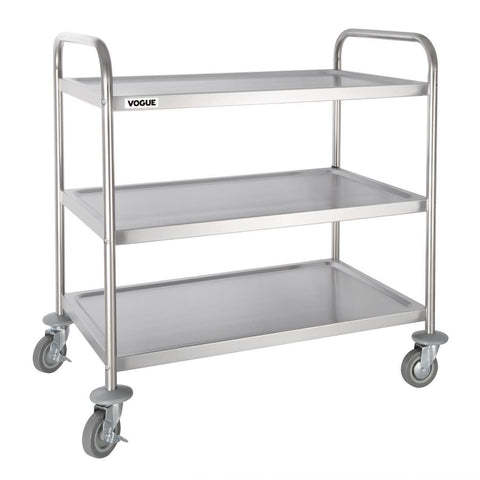

 Vogue Stainless Steel 3 Tier Clearing Trolley Large - F995
860(W) x 930(H) x 535(D)mm
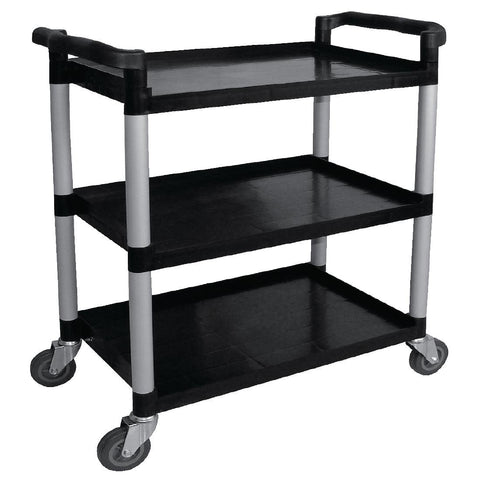
 Vogue Polypropylene Mobile Trolley Large - CF102
520(W) x 960(H) x 1070(D)mm

 Modular Systems Stainless Steel Trolley YC-102
855(W) x 535(D) x 940(H)mm
 Modular Systems Stainless Steel Trolley YC-103
855(W) x 535(D) x 940(H)mm
 Modular Systems Stainless Steel Trolley With 2 Shelves YC-102D
855(W) x 535(D) x 940(H)mm
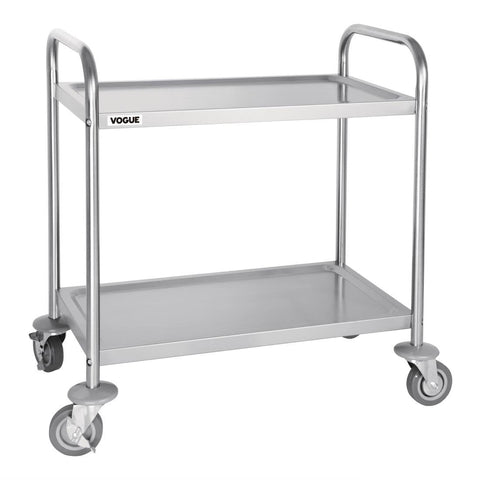
 Vogue Stainless Steel 2 Tier Clearing Trolley Small - F996
710(W) x 825(H) x 405(D)mm
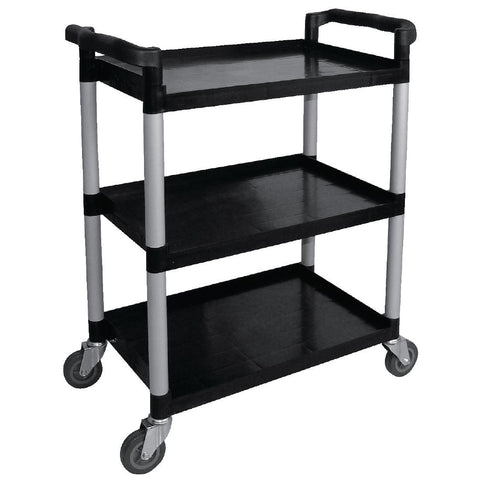
 Vogue Polypropylene Mobile Trolley Small - CF101
415(W) x 960(H) x 830(D)mm
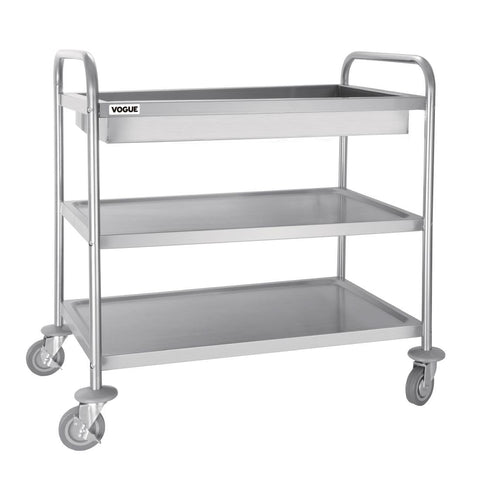
 Vogue Stainless Steel 3 Tier Deep Tray Clearing Trolley - CC365
855(W) x 940(H) x 535(D)mm
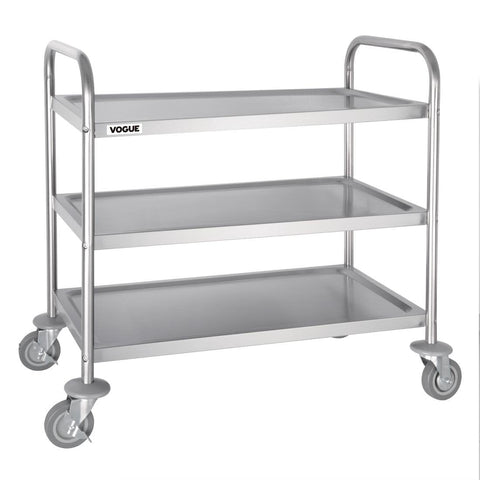
 Vogue Stainless Steel 3 Tier Clearing Trolley Medium - F994
810(W) x 855(H) x 455(D)mm
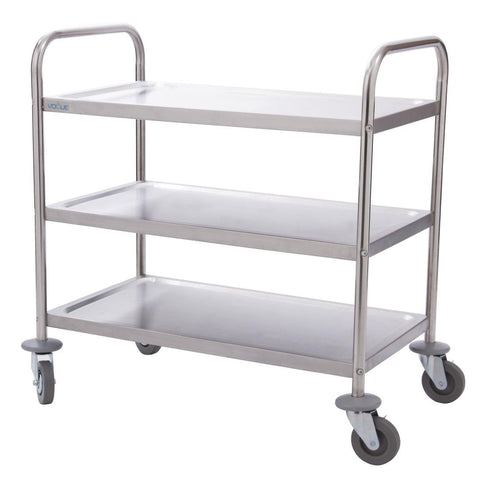
 Vogue Stainless Steel 3 Tier Clearing Trolley Small - F993
710(W) x 825(H) x 405(D)mm
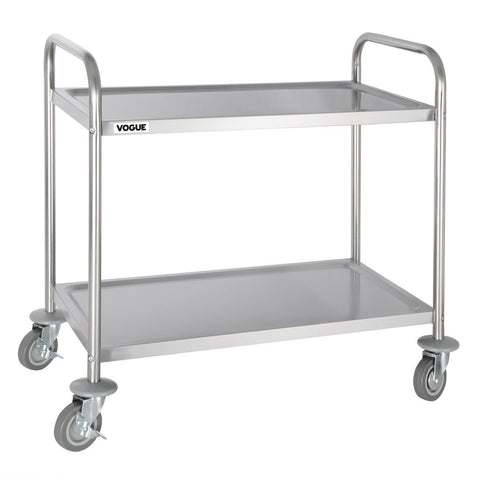
 Vogue Stainless Steel 2 Tier Clearing Trolley Medium - F997
855(W) x 855(H) x 455(D)mm
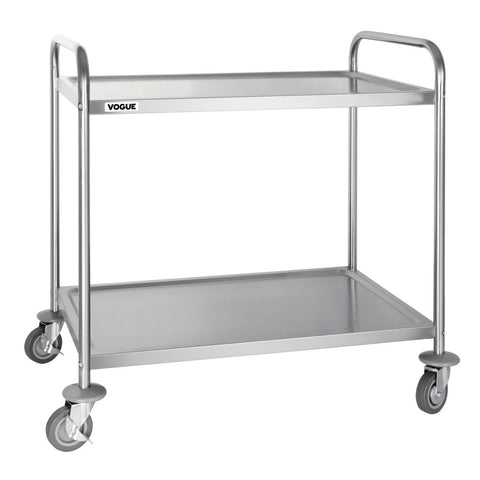
 Vogue Stainless Steel 2 Tier Clearing Trolley Large - F998
860(W) x 930(H) x 535(D)mm
 Vogue Chrome 3 Tier Wire Trolley - CC432
457(W) x 960(H) x 910(D)mm

 ICE Stainless Steel 3 Tier Trolley - TRS0003
855(W) x 930(H) x 535(D)mm
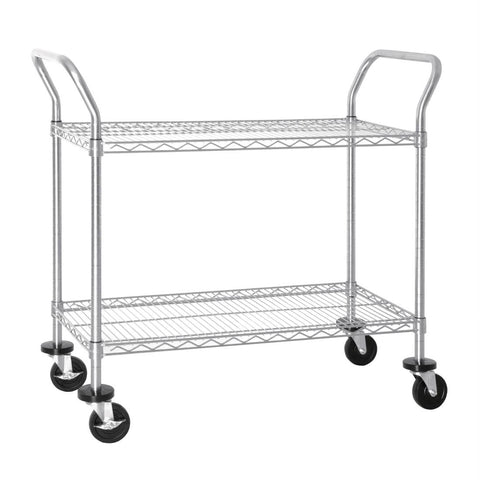
 Vogue Chrome 2 Tier Wire Trolley - CC430
457(W) x 960(H) x 910(D)mm
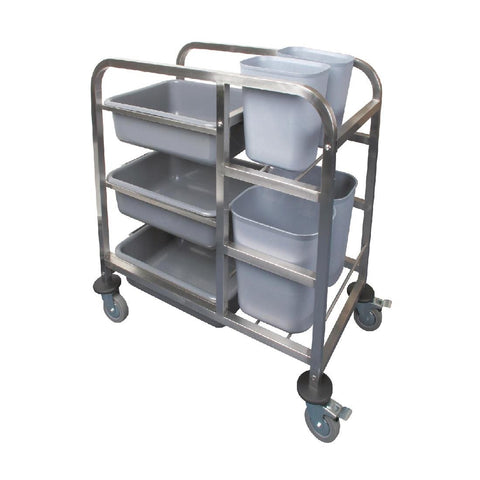
 Vogue Stainless Steel Bussing Trolley - DK738
820(W) x 900(H) x 440(D)mm

 Food Tek Utility Trolley Only JD-UC340-1
1280(W) x 500(D) x 960(H)mm
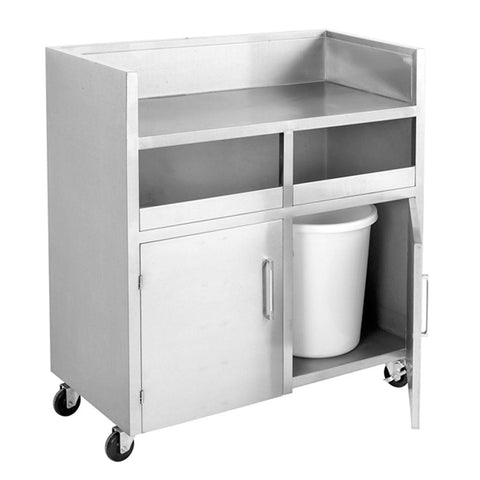
 Modular Systems Double Bin Mobile Station MBS118
1180(W) x 550(D) x 1260(H)mm
 ICE Seven Tier GN Trolley - TRS0207
385(W) x 855(H) x 550(D)mm

 Roband Black Trolley To Suit Black Heat 'N' Hold - HTB200
900(W) X 600(D) X 430(H)mm
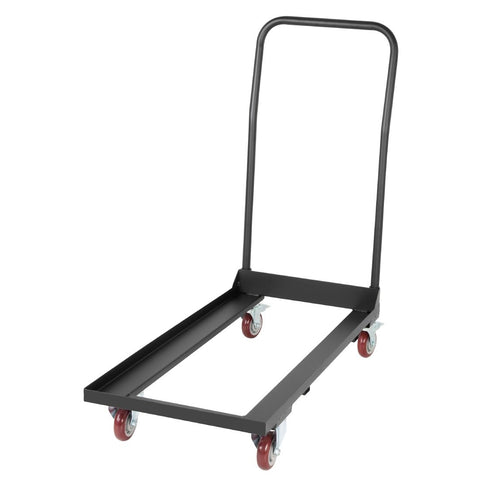

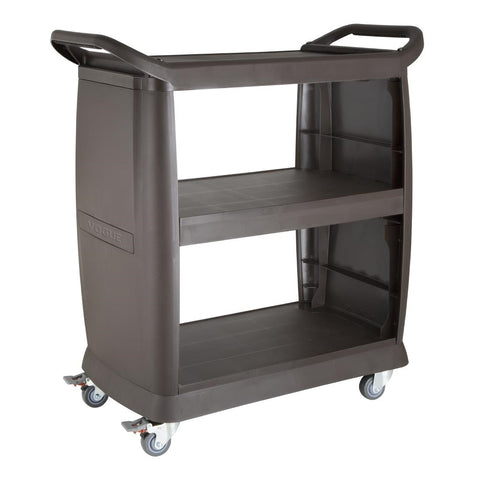
 Vogue Polypropylene Mobile Trolley - DN585
980(W) x 1050(H) x 500(D)mm
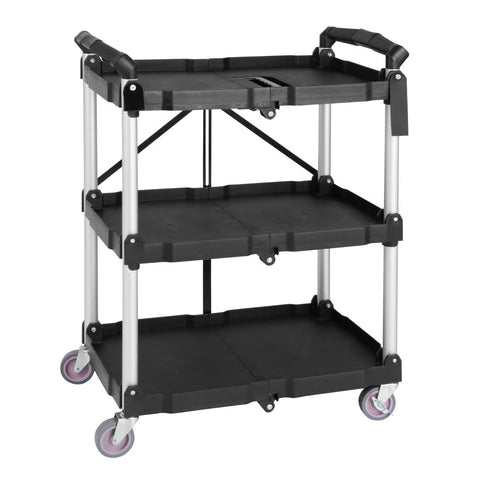
 Vogue 3 Tier PP Folding Trolley Black Small - CK113
645(W) x 835(H) x 405(D)mm
 Food Tek Cuttery Bin To Suit Trolley JD-UC340-CB
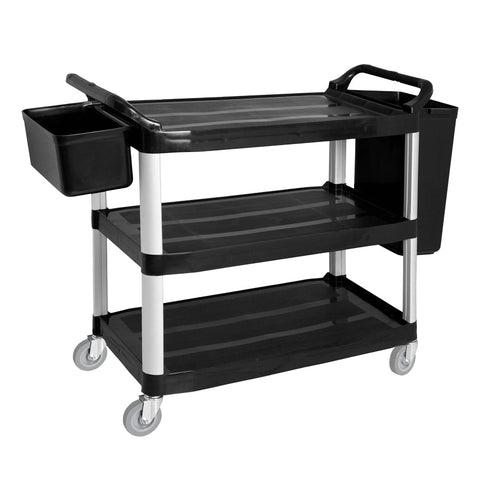
 Food Tek Complete Utility Trolley JD-UC340
1280(W) x 500(D) x 960(H)mm
 Food Tek Bin To Suit Trolley JD-UC340-B

 Carlisle Black Optimizer™ Adjustable Small Dish Dolly - 4 dividers & 4 swivel wheels. 737mm x 737mm x 806mm - ADS403
 Carlisle Black Light Duty Utility Tilt Truck 204kg Capacity 1370mm x 660mm x 965mm - TTLD58003
 Carlisle Grey Large Bin Top Utility Cart 1143mm x 685mm x 838mm - UC452523
 Carlisle Black Standard Duty Utility Tilt Truck 385kg Capacity 1727mm x 825mm x 1086mm - TTS58003
 Carlisle Black Service Cart on Castors 854mm x 515mm x 870mm - SBC23003
 Carlisle Black Large Fold ‘N Go® Cart. Unfolded: 520mm x 1016mm x 1099mm Folded: 267mm x 1016mm - SBC203103
 Carlisle Grey Flat Top Utility Cart 1026mm x 483mm x 830mm - UC194023
 Carlisle Black Small Fold ‘N Go® Cart. Unfolded 406mm x 749mm x 908mm Folded: 229mm x 749mm - SBC152103

 Jackstack Plate Rack 104 plates - 600mm x 600mm x 1790mm - JS104
 Carlisle Cateraide™ Black Dolly with Handle 730mm x 570mm x 994mm - XDL3000H03
570(W) x 730(D) x 994(H)mm
A catering trolley moves food and crockery around a venue: hot dishes from the kitchen out to the pass, clean plates out to the floor, and used dinnerware back to the wash-up. One person pushing a loaded trolley does what two or three staff carrying plates would do, and the plates arrive in one trip.
Catering trolleys come in stainless steel for the kitchen, mesh metal for anything that needs airflow, lightweight plastic for front of house, and models with roller doors where what you are moving has to be covered or locked. Start with the areas that need covering now and add more as your business grows.
Shop the range at Restaurant Equipment Online and order with Australia-wide shipping. Not sure which option suits your venue? Request a callback and we will help you choose. Related ranges: commercial kitchen trolleys and plastic catering trolleys.
Stainless steel where the trolley carries hot pans, parks beside a cooking line or goes through a washdown. Plastic where it works around guests, furniture and painted walls, because it is lighter to push and much quieter on a hard floor. Mesh metal where ingredients need airflow, and a roller-door model where the load has to be out of sight or secure.
Most venues end up with both: plastic trolleys for the dining room and corridors, stainless for the back of house.
Heat, grease and washdown. Stainless takes a hot pan straight off the oven, does not stain from oil, does not harbour bacteria and can be cleaned with the same products as the rest of the kitchen — between meals or at the end of the shift.
What it costs you is weight and noise, which is why plastic catering trolleys get used front of house. Load ratings vary by model on both materials, so take the figure from the product page rather than assuming steel carries more.
When you are catering or running a room with high-volume seating, the time goes on carrying things. A trolley lets one person clear a section in a single pass instead of walking plates out two at a time, and the same trolley takes clean plates and cutlery back out for the next sitting.
Conferences, weddings and anniversaries all run on getting food out and tables cleared fast. Pick the trolley around the job: open shelves for taking dishes out to a buffet, a deep-lipped model for clearing used dinnerware, or a mesh trolley you can wheel into the walk-in freezer to restock and pull ingredients for prep.
A lip on the edge of each tray keeps crockery on the trolley when it goes over a threshold. Castors are what make it easy to push, and a brake is what keeps it still while you are loading plates in the dining room or unloading them into the dishwasher.
Shelf spacing is the other one to check. Measure the tallest thing you carry, because fixed shelves at the wrong pitch annoy staff every time the trolley is loaded.
We have years in the commercial food preparation industry, so we stock what we would use ourselves. You will find the brands with the reputations, including Roband, VOGUE and Ice. Warranty information is on each product page, so you can see what the manufacturer covers before you buy.
You will see catering service trolley, catering serving cart, catering trolly, commercial catering trolley, catering kitchen trolley and catering serving trolley used for the same kind of equipment. The name changes with the supplier and the region, not the job it does. Compare models on capacity, construction and the specification on each product page, and check the full catering trolleys range to see every option side by side.
Check the trolley width against your narrowest doorway and lift, and allow for hands on the handles. Loaded trolleys need more clearance than the spec suggests.
Heavy stock moves better on platform trolleys.

We have a special page just for stock that's warehoused in Perth.
Click Here to see all WA stockWhat our customers say about us on Google, and how Google scores our store for things like shipping and returns.
Store scores from Google
